Ecuador

Population:15 millionLiteracy Rate:91%Religion: Roman Catholic (95%)

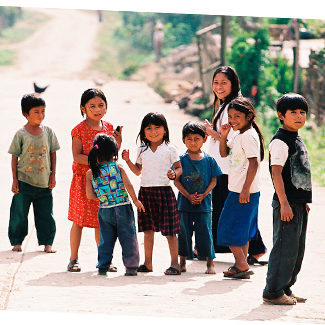
Salesian Missions in Ecuador are giving the poor valuable resources and support needed to overcome the country's extreme injustice and inequity. The gap between rich and poor is huge: the top 20% receive 50% of the nation's income, while the bottom 20% earn a mere 5%. More than a million children – 18% of the total workforce – must work to support their families. And 26% of the nation's children under age 5 have stunted growth – in some regions, it's as high as 47%.

Featured Mission

Supply Medical Care

Residents of Cuena now have access to a new Salesian medical center.  The facility is staffed by a team of healthcare professionals and features modern equipment for medical examinations and laboratory analysis.  The center also includes a pharmacy.


More Missions in Ecuador

Build Schools

Ecuador is one of the most inequitable societies in the world, according to UNICEF. The richest 20% of the population receives almost 50% of the national income, while the poorest 20% receives only 5%.

For poor, rural and indigenous children, education provides the best opportunity for finding meaningful employment – therefore reducing inequities.  

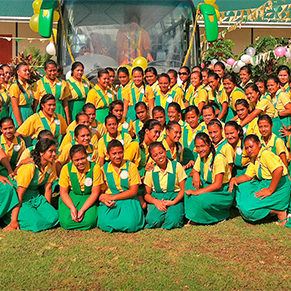
At one Salesian Missions school ¬– the Center for the Young Worker – students study auto mechanics, woodworking, baking, beauty care and cooking.  It is a community effort as parents help provide meals to the students, and weekend student volunteers help build houses for the families who have come into the city looking for work.  Approximately half of the students come to the Center without an elementary education – and not only do 85% finish elementary or middle school but 64% continue to study after they have completed their training.  

Throughout Ecuador, children and adolescents find the opportunity of education at Salesian Missions facilities.

Teach Job Skills to Youth

More than a million children and adolescents are involved in the labor market in Ecuador – approximately 18% of the working population. According to the Fides Agency, child labor takes place in the agricultural sector, in business and as unskilled domestic work. Across Ecuador, staying in school helps students learn job skills that can help reduce inequities in employment. Salesian Mission Centers for the Young Worker have been recognized by UNICEF as an exemplary social and educational institute. The facilities focus on the needs of the students – such as providing classes on the weekends for students who must work during the week. Students become auto mechanics, woodworkers, bakers, beauty care technicians and cooks. There are thousands of “alumni” in the workforce, and thousands more students look forward to joining them.

Feed Hungry Children

In Ecuador, 26% of all children under five have stunted growth. In the rural areas, the figure is 31%. And in indigenous communities, it is even higher at 47%, according to the World Food Program. Providing nutritious meals to children and adolescents is an important part of school life at Salesian Missions schools. Good meals provide incentive for the children to attend classes and ensure they are ready to learn. In many cases, it may be the only meal a child receives each day. Programs for street children also provide meals, so that they are also prepared to learn and grow.

Protect Youth from Disease

Three million refugees have returned to their homes in Angola since the end of the civil war in 2002, according to UNICEF. At the Lwena refugee camp transfer center, refugees receive food, clothing, medical care and training to help them rebuild their lives. Health is an important priority, and refugees receive instruction about the dangers of land mines and the prevention of AIDS.

Teach Job Skills to Youth

In Angola, 68% of the population lives in poverty – with 26% living in extreme poverty, according United Nations Development Program statistics. Many youth know that access to vocational training is critical to help them rebuild their lives and their country. At Salesian houses in nine communities, students learn skills that will help them prepare for their future – and the future of their communities.

Feed Hungry Children

In Angola, nearly half of children under the age of five are malnourished, according to UNICEF. Many children were child combatants, or are orphans or abandoned and now live on the streets or in refugee camps. At Salesian houses across the country, children receive the basic necessities of food, shelter, clothing, medical care and education. With proper nourishment, children are prepared to attend school, learn job skills and become leaders in rebuilding their country.

Teach Agriculture Skills

Through a microfinance credit program from Salesian Missions, indigenous and rural populations have access to funds for agricultural and micro-business activities. Currently, 12,000 people are taking advantage of this opportunity in 85 different communities.

Give Hope to Street Children

At Salesian Missions “Project for Street Children” sites throughout the country, vulnerable and at-risk children gain an all-around education that allows them to take the lead in developing their own skills and potential. The project uses an active presence on the streets, technical training and schools and the support of families and communities that care for the boys and their rehabilitation. Specialized programs for youth in need include: prevention of addiction and care for addicts, rehabilitation of youth gang members, and hostels that provide an alternative to living on the street. Thousands of children and adolescents are supported each year.

Support Our Missions

Your gift now will help Salesian Missions provide the urgently needed care and
hope to children around the globe
Donate Now

Sign-up for our eNewsletter